Text size
Line height
Text spacing


The Foundations of Critical Care Transport module introduces the core principles and competencies required for the safe, effective, and professional management of critically ill and injured patients in the transport environment. Designed to align with the expectations and competencies of Critical Care Paramedic practice in Canada, this module focuses on the essential building blocks of patient care that underpin all aspects of critical care transport medicine.
This Module is a repository of the required external course to maintain Active Flight Status, as well as requirements to be current in these courses to complete the Critical Care Transport Medicine Program. The core examples, for reference include ACLS and PALS, in addition to several others.
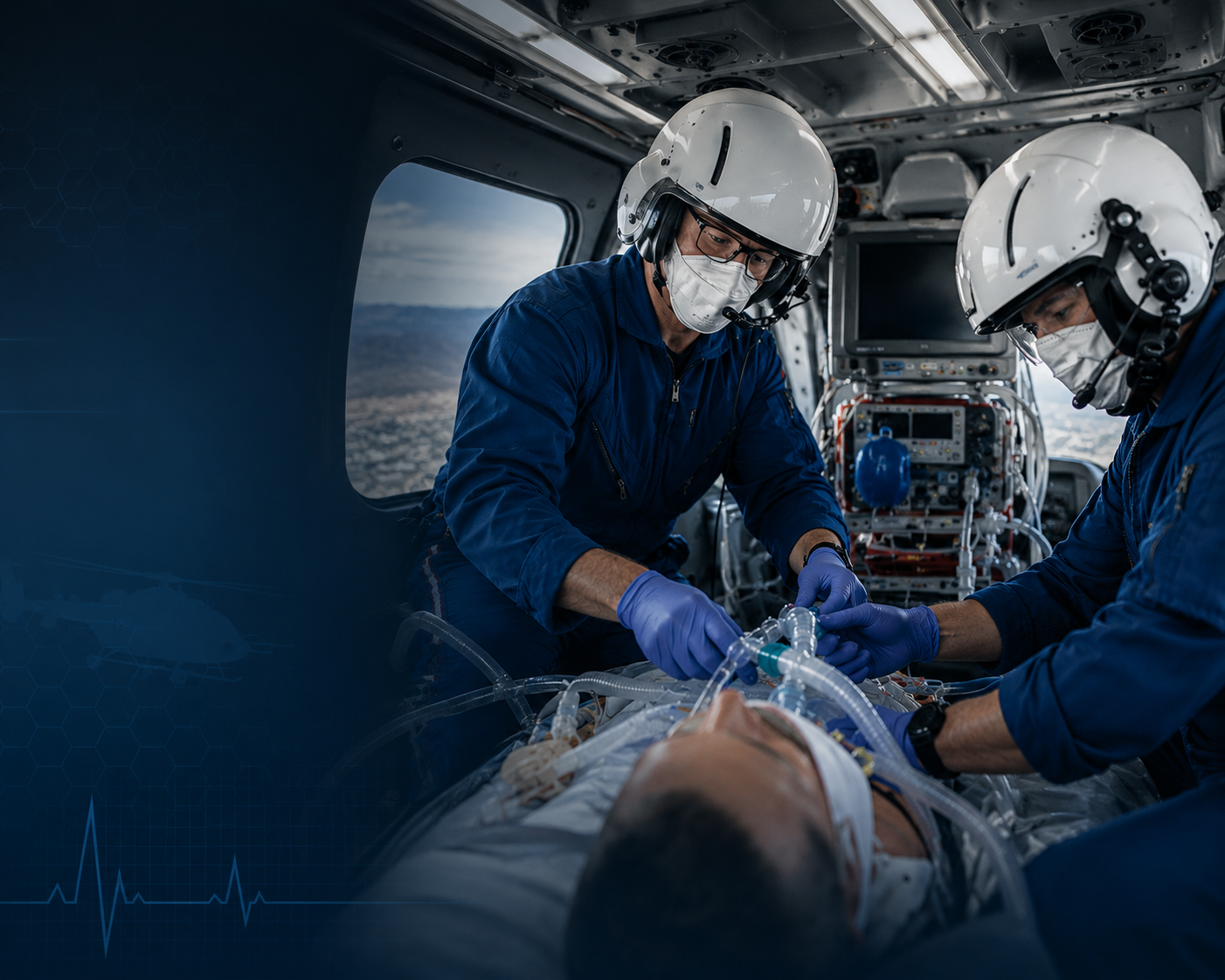
The Air Transport Medical Professional module introduces learners to the professional foundations of Critical Care Transport Medicine (CCTM), emphasizing the role of the Critical Care Paramedic as a collaborative clinician, critical thinker, scholar, and lifelong learner within the air medical environment. Learners will explore Air Medical Crew (AMC) composition, interprofessional teamwork, Evidence-Based Medicine (EBM), critical thinking, research contribution, quality assurance and improvement, patient safety, and Just Culture principles shared between medicine and aviation. The module emphasizes communication, systems thinking, reflective practice, and continuous learning as essential components of safe and effective critical care transport, establishing the professional mindset and team-based approach that underpin the broader CCTM curriculum.

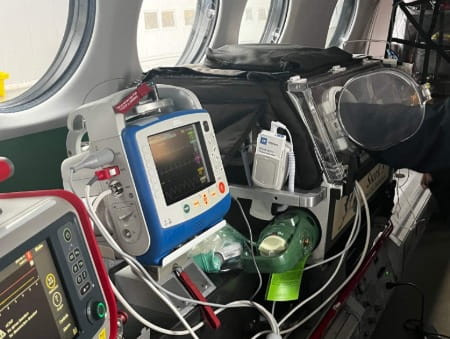
The Altitude and Flight Physiology module provides the foundational knowledge required for safe and effective critical care transport in the aviation environment. As patients, crew, and aircraft transition through varying altitudes and atmospheric conditions, transport clinicians must understand how changes in pressure, oxygen availability, gas expansion, temperature, vibration, fatigue, and environmental stressors influence both human physiology and medical equipment. This module explores the structure of the atmosphere, physiologic zones of altitude, and the mechanisms and clinical manifestations of hypoxia in both patients and crew members. Learners will examine the major gas laws and their direct application to transport medicine, including respiratory care, ventilation, decompression effects, and equipment function in flight. The module also addresses the cumulative stressors associated with transport medicine, emphasizing risk recognition, mitigation strategies, and operational awareness. Finally, learners will be introduced to the principles of medical flight planning and decision-making, integrating physiologic understanding with safe transport operations. Through this module, Critical Care Transport Medicine learners will develop the knowledge base required to anticipate, recognize, and manage the unique physiologic challenges encountered in the air medical environment.
Welcome to Coffee Rounds with the Medical Directors — a monthly interactive learning series designed for Air Medical Crew members. These sessions provide an open forum for discussion around real-world transport medicine cases, operational challenges, clinical decision-making, and emerging topics relevant to air medical practice.

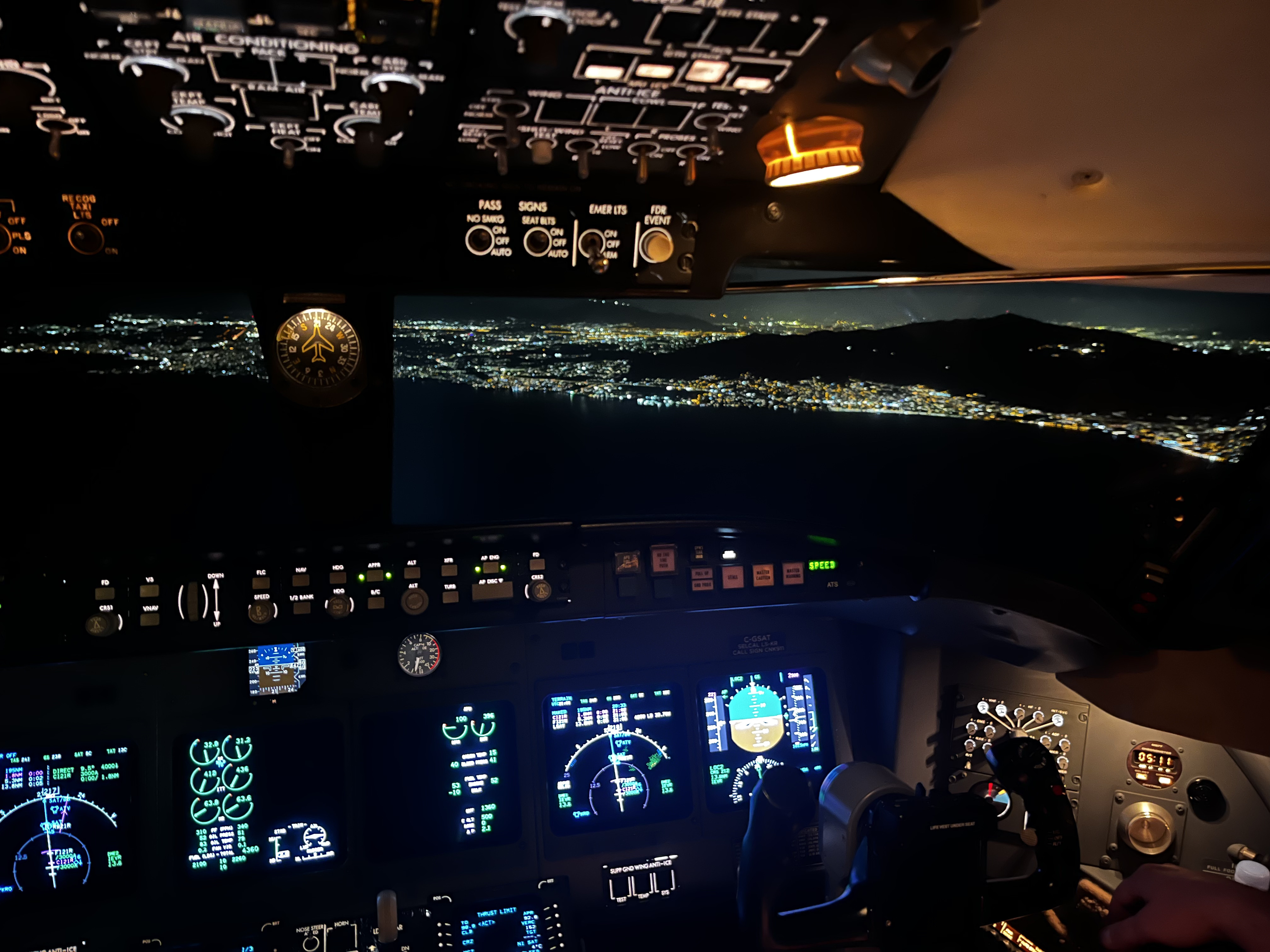
This comprehensive online course introduces healthcare providers and aviation personnel to the principles, operations, and safety considerations of fixed-wing air medical transportation. Learners will explore the history and evolution of MEDEVAC services, aviation fundamentals, weather and flight considerations, crew resource management (CRM), threat and error management (TEM), and the operational environment of modern air ambulance systems.
Designed specifically for paramedics, nurses, physicians, pilots, and allied healthcare professionals involved in air medical transport, this course blends aviation knowledge with clinical operations to build a strong foundation for safe, effective, and collaborative patient transport in remote and critical care environments.
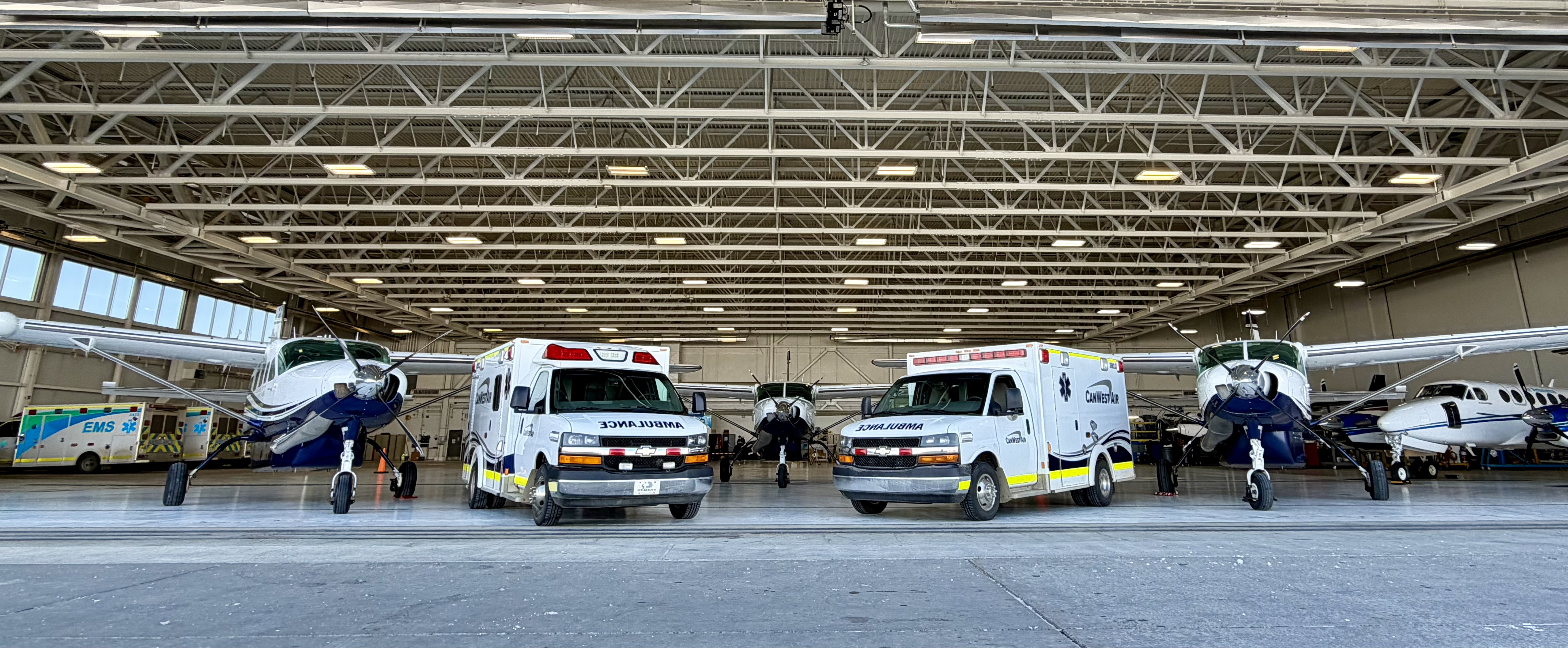
AMT-001 Air Medical Transportation immerses learners in the world of fixed-wing MEDEVAC operations, where aviation and healthcare must function seamlessly together for mission success. The course introduces learners to the evolution of air ambulance systems in Canada, operational structures of modern air medical programs, aircraft systems and principles of flight, aviation weather, and interprofessional collaboration between flight crews, medical personnel, dispatch, and operational leadership.
Through interactive modules, operational examples, aviation terminology, scenario-based learning, and knowledge checks, learners develop an understanding of both aviation safety culture and clinical transport operations. The course emphasizes teamwork, communication, patient safety, and situational awareness as essential components of successful air medical transport.
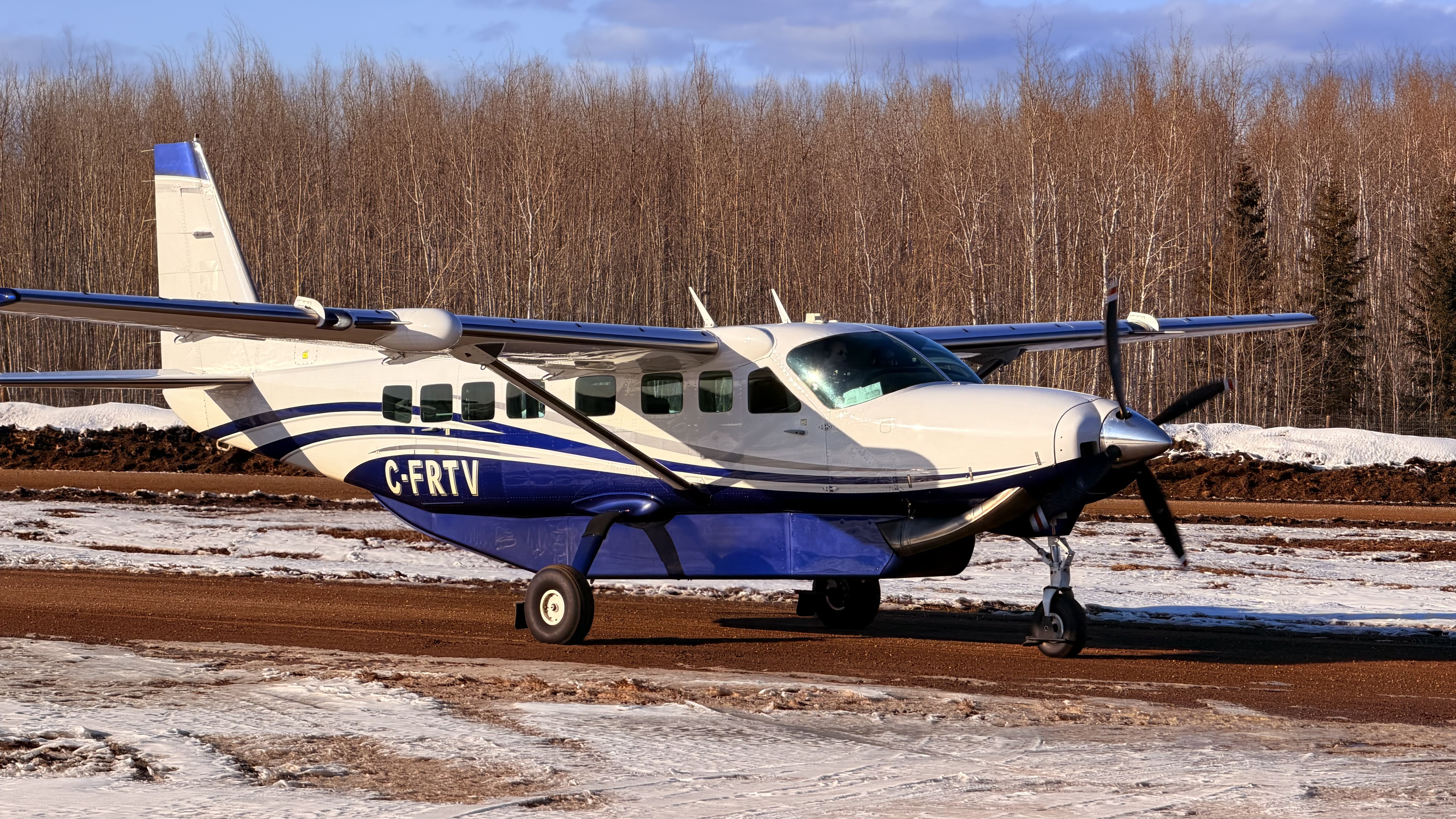
The course also introduces learners to the operational capabilities and systems of the Cessna C208B Grand Caravan EX platform commonly used in remote MEDEVAC operations.
By the end of this course, learners will be able to:
This is the portal for the CanWest AMC ongoing education.
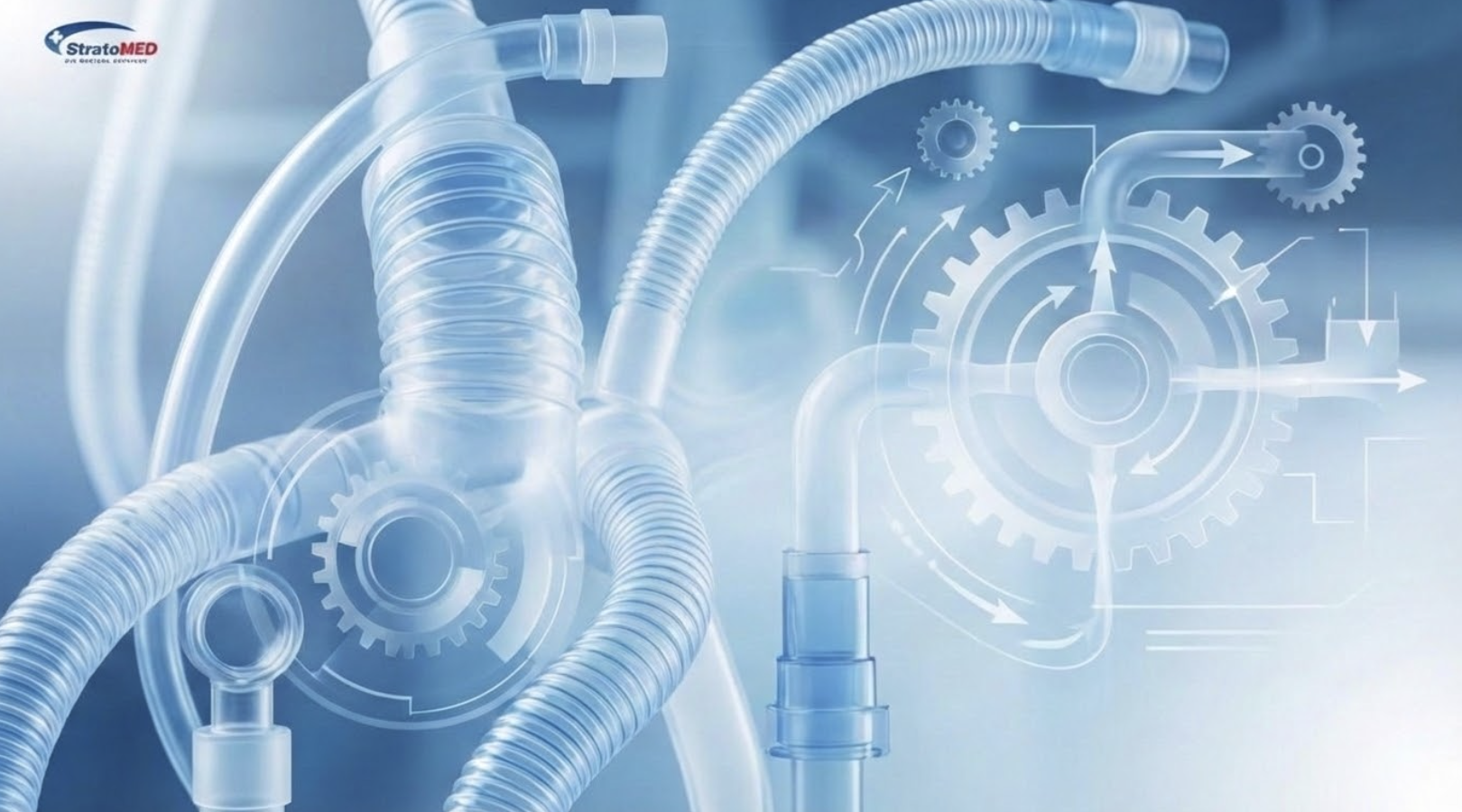
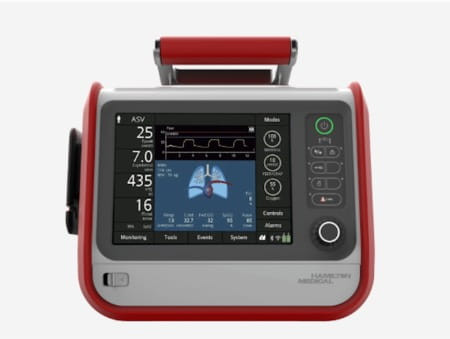
Mechanical Ventilation in Critical Care Transport
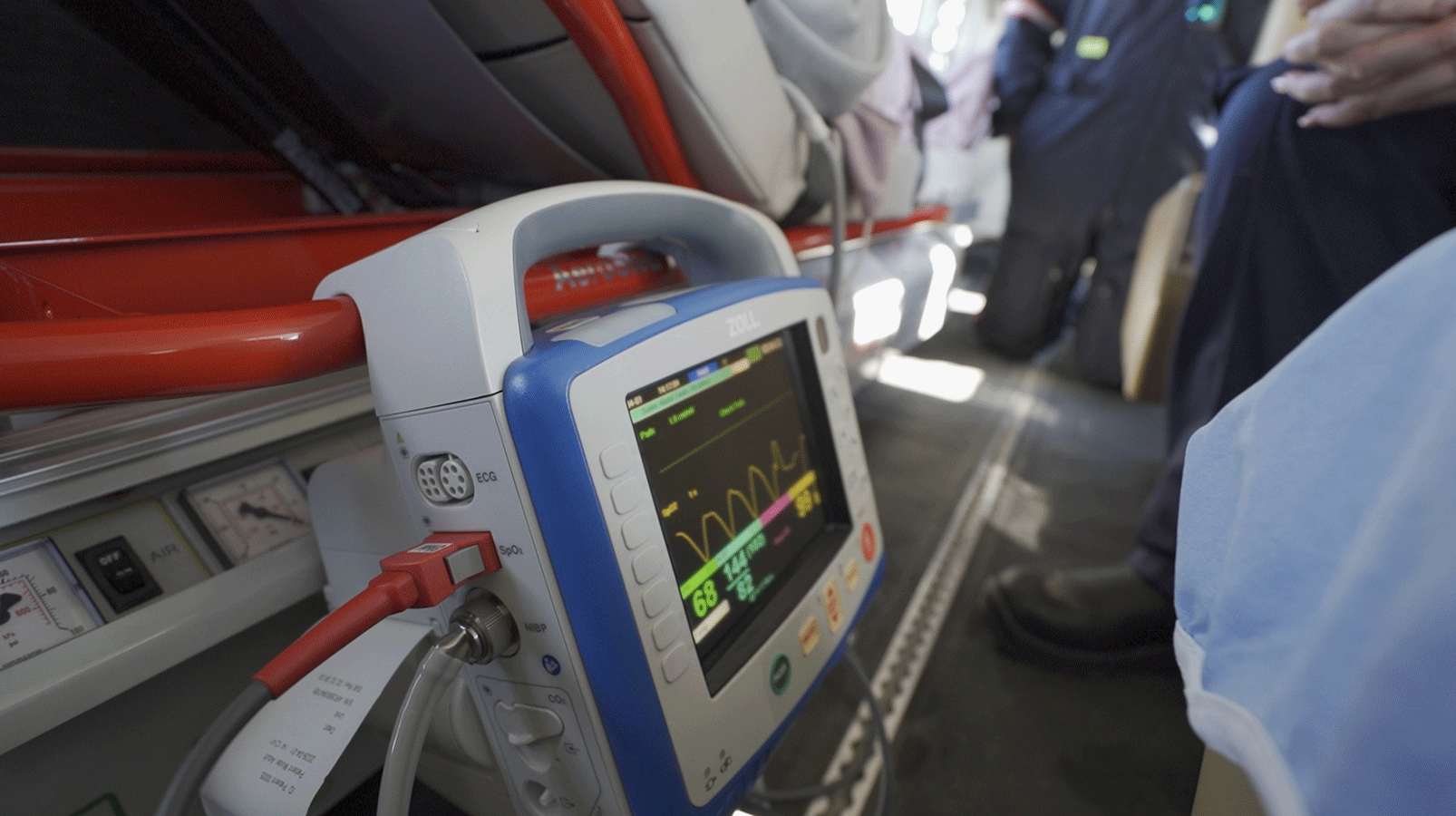
Mechanical ventilation is one of the most important — and highest risk — interventions encountered in critical care transport medicine. Transport clinicians must not only understand how ventilators function, but also how respiratory physiology, patient pathology, environmental factors, and operational limitations interact during patient care in the transport setting. Effective ventilator management requires the ability to interpret changing patient conditions, anticipate complications, troubleshoot equipment issues, and adapt strategies during dynamic and often resource-limited situations.
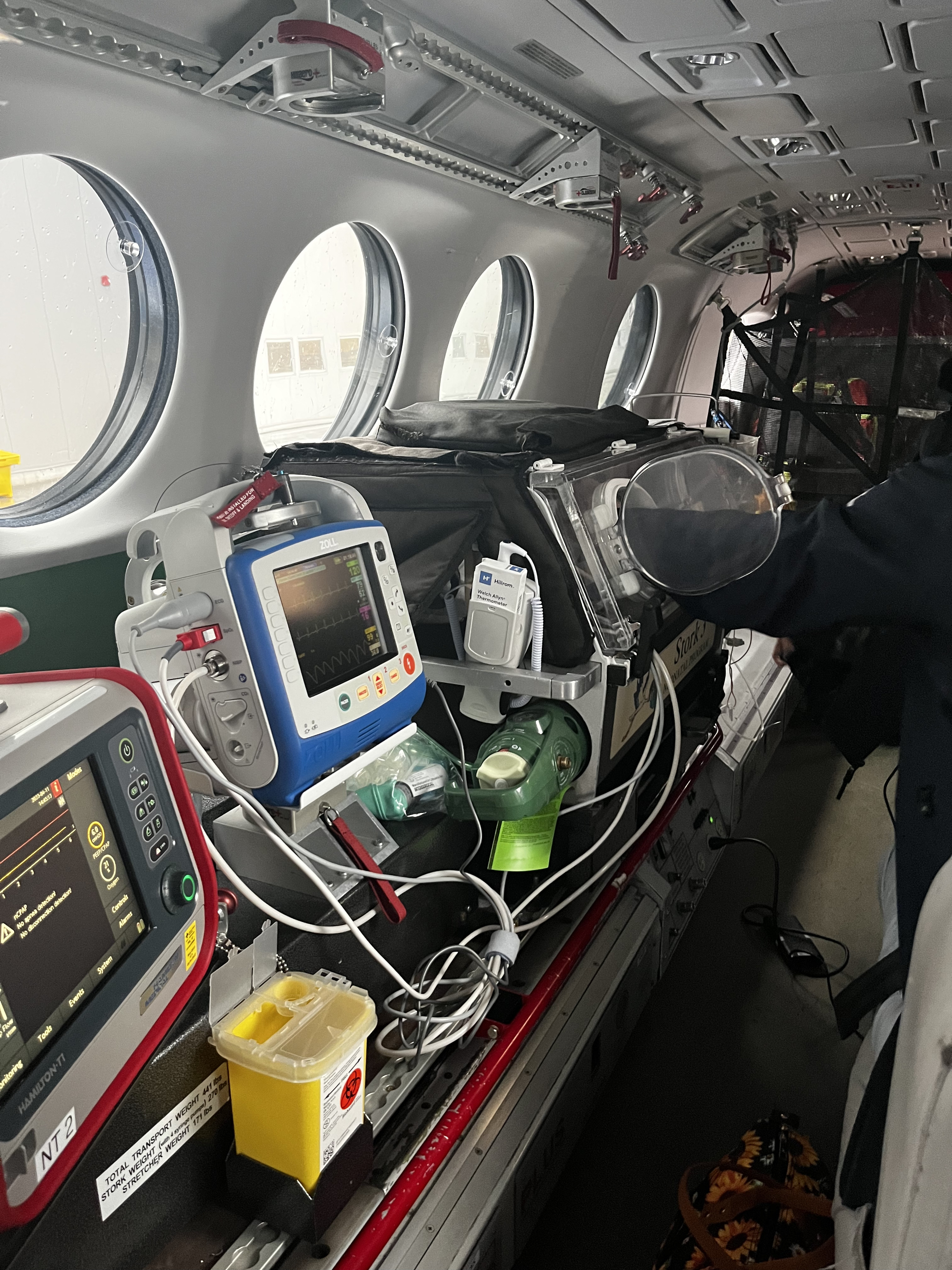
Critical Care Transport Medicine Program
Welcome to the Critical Care Transport Medicine Program — a comprehensive educational curriculum designed to support the development of advanced clinical knowledge, critical thinking, and operational excellence in the transport environment. This program is built for air medical professionals working in high-acuity, resource-limited, and rapidly evolving clinical settings where safe and effective patient care depends on strong foundational knowledge, sound judgment, and coordinated team performance.
Through a combination of didactic modules, case-based discussions, simulation-focused learning, and operational education, participants will explore the unique challenges of critical care transport medicine across pre-hospital, rotary-wing, fixed-wing, and interfacility transport environments. Topics include advanced airway and ventilator management, shock and resuscitation, trauma care, flight physiology, human factors, transport safety, crew resource management, and specialized critical care interventions.
The program is designed to promote evidence-informed practice while emphasizing the realities of transport medicine — balancing clinical priorities with environmental, operational, and communication challenges encountered during patient transport. Above all, this curriculum aims to foster a culture of continuous learning, clinical excellence, professionalism, and patient safety within the air medical community.
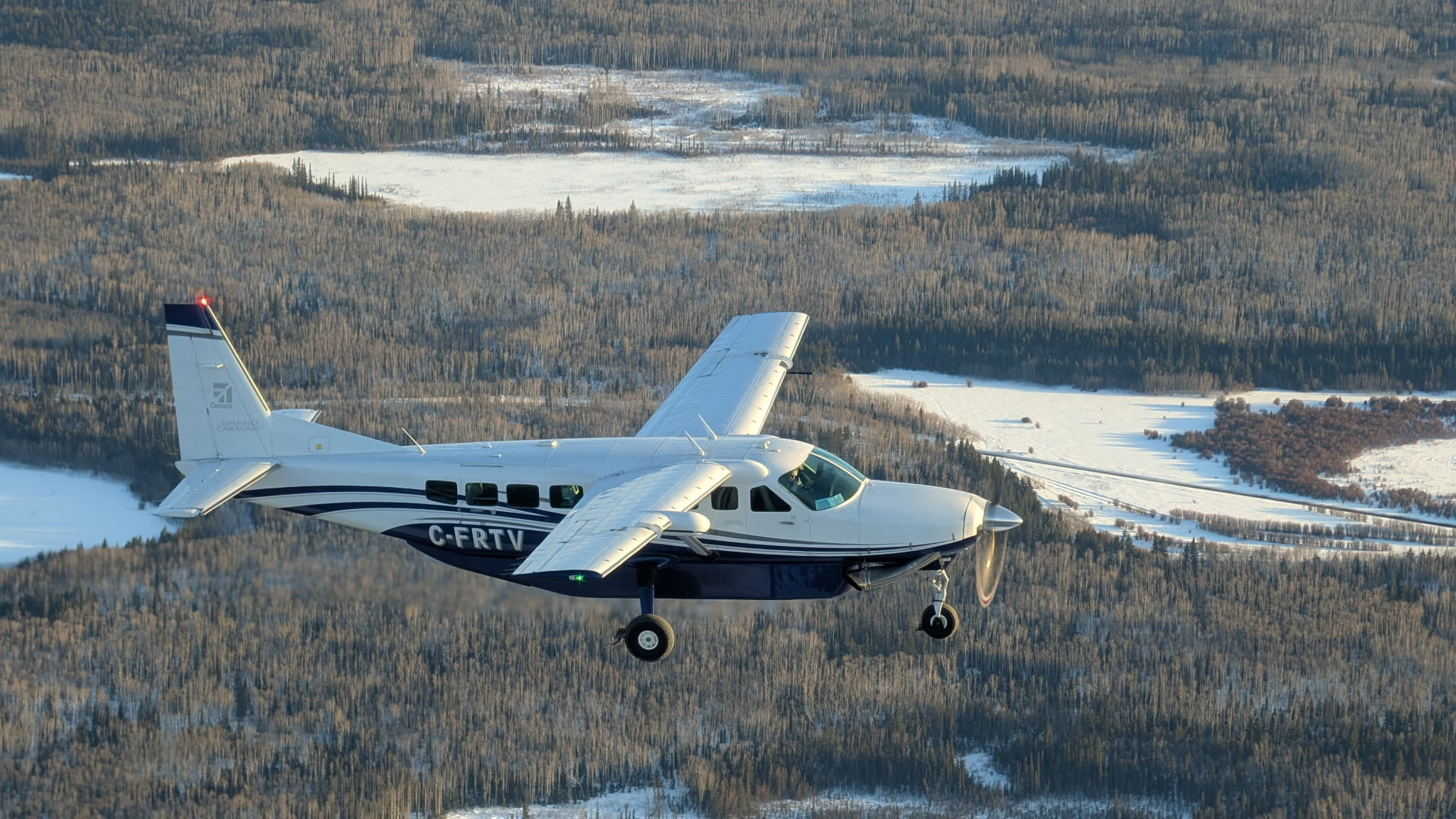
This course prepares paramedics working in remote and Indigenous communities—specifically the Little Red River Cree Nation—to deliver respectful, culturally informed care. It covers historical context, social determinants of health, trauma-informed communication, and culturally safe medevac coordination.
Target Audience: PCP, ACP, CCP, Flight Paramedics, Pre-hospital providers
Completion Time: ~1 hour